Comics are the cheapest way into collecting and the easiest to do badly, because the thing on the shelf this Wednesday is not the thing people pay money for in ten years. Here is how to start without buying three hundred issues you will not want.
What a month looks like
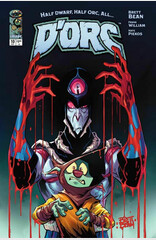
Three publishers whose lists we read, Marvel, Image and Dark Horse, together listed 1,570 single issues for 2026 so far. The typical month across the three is around 148 issues, and the busiest, October 2026, had 172. Nobody reads all of that, and nobody should try to collect it.
What an issue costs
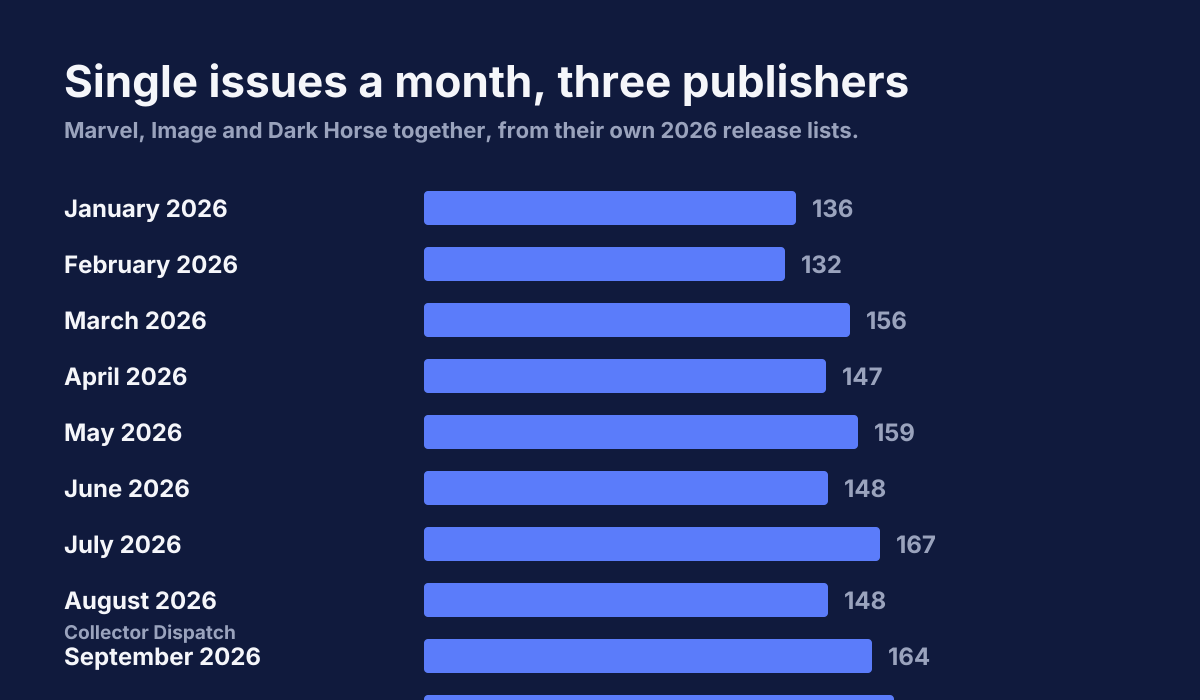
The median cover price of those 1,570 issues is $4.99. Collected editions, the trade paperbacks and hardcovers that gather a run, have a median of $19.99 and hold five or six issues each, which is why most readers end up buying trades and most collectors end up buying singles. The two are different hobbies that share a shop.
| Publisher | Single issues listed | Of which #1s | Median cover price | Collected editions |
|---|---|---|---|---|
| Marvel | 415 | 146 | $4.99 | 1 |
| Image | 653 | 78 | $3.99 | 210 |
| Dark Horse | 502 | 149 | $4.99 | 217 |
Single issues or trades
Trades if you want to read. Cheaper per page, no bags, no boards, and nobody has ever paid a premium for one. Singles if you want to collect. The first printing of a first issue is the collectible object, and the 373 first issues on this year’s lists are where the speculation goes, which is worth knowing even if you ignore it.
How to pick a lane
Not a publisher. A character, a writer, an artist or a title, because that is how the back-issue market is organised and how you will search for things. One lane, narrow, that you can actually finish or at least see the edge of: every issue of one series is a project; every Marvel #1 is a subscription.
Variant covers, and what they are
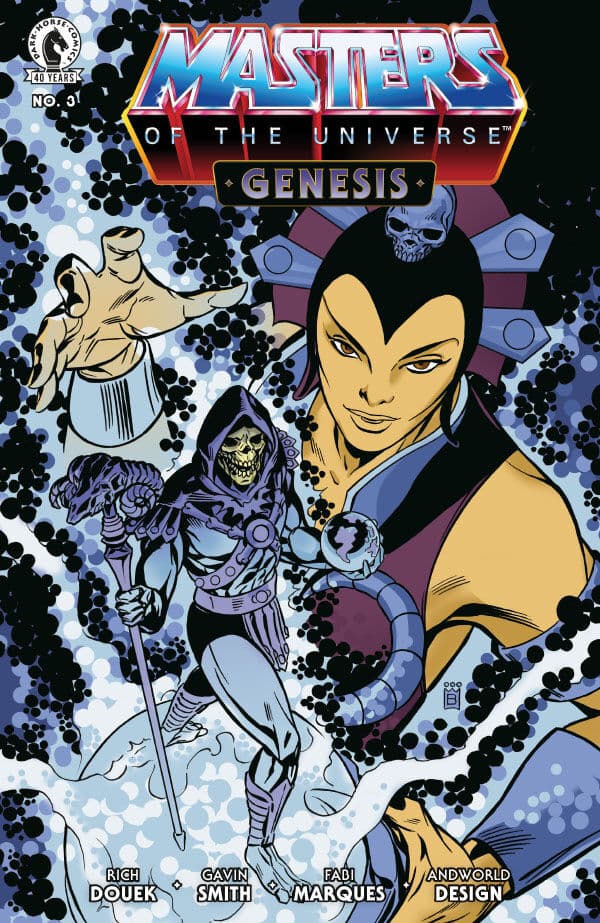
A variant is the same comic with a different cover, printed in smaller numbers and sometimes only available to shops that order a set quantity of the main cover. The ratio, 1:25 or 1:50, is the order incentive, not a print run, and the publisher does not state how many were made. Treat a variant as a nicer picture of the comic you were buying anyway. Treat it as an investment and you are paying for a ratio nobody will confirm.
Key issues
A key is an issue in which something happened: a first appearance, a death, a first cover by somebody. Keys are what hold value, and they are identified after the fact, which is the honest reason buying new comics as an investment does not work. By the time an issue is a key, the price has moved. The collector who did well bought it because they liked the book.
Where to buy
A comic shop, with a pull list, for new issues. Shops order to their pull lists weeks ahead, so the list is how you make sure a first printing exists for you. Conventions and back-issue bins for older books, where condition is visible and haggling is normal. Online marketplaces for a specific issue at a specific grade, with the grading company’s certificate number checked on their own site before you pay.
Grading, briefly
Comics are graded on a ten-point scale by CGC, CBCS and others and sealed in a hard case. A graded 9.8 of a key is a different market from a raw copy of the same book. For a new collector it matters in one direction only: a graded book you buy is what the label says. A raw book is what the seller says, and the two are not the same claim.
Start here
Pick one title you want to read. Set up a pull list for it. Buy the trades of whatever came before. Bag and board the singles the day you get them, which the next guide covers, and stop there until you know what you like. Three months in you will know whether this is a reading habit or a collection, and only then is it worth spending on the second.
Frequently asked questions
Should I buy single issues or trade paperbacks?
Trades to read, singles to collect. A trade is cheaper per page and never carries a premium; the first printing of a single issue is the collectible object.
Are variant covers worth more?
Sometimes, and nobody will tell you how many were printed. The ratio on a variant is a shop order incentive, not a print run. Buy one because you like the cover.
What is a key issue?
An issue in which something happened: a first appearance, a death, a notable cover. Keys hold value and are identified after the fact, which is why new comics rarely work as investments.
How much does a new comic cost?
The median cover price across 1,570 single issues listed by Marvel, Image and Dark Horse for 2026 is $4.99. Collected editions have a median of $19.99.