An action figure is made to be handled and sold to be looked at, and the two uses damage it in different ways. A display shelf is where most of the damage happens, slowly, and most of it is light and dust rather than accident.

What you are protecting
On 28 October 2026, McFarlane’s own store listed 159 figures and Hasbro Pulse 68. The median price across the 227 with a price was $29.99, and 43 of them were $70 or more. A shelf of twenty modern figures is several hundred dollars of painted PVC, which is worth a few minutes’ thought about the window.

The four things that damage a displayed figure
Ultraviolet light. Sunlight fades paint and, worse, yellows white and clear plastic, and it does not reverse. A figure in front of a window is being spent. Keep displays off any wall that gets sun, and use UV-filtering acrylic if a cabinet has a glass front.
Dust. Harmless until you remove it badly. Dust settles into joints and texture and is then wiped across paint with a dry cloth, which is how matte finishes go shiny. A soft brush, a bulb blower, and for stubborn dust a barely damp cloth. Never a solvent.
Heat and its swings. PVC softens; a figure posed holding its own weight in a warm room will bow at the ankles over a summer, and a loft will do it in a month. Interior wall, heated room, not above a radiator.
Gravity. Figures fall. A stand under the feet is the single best purchase for anything with a narrow base, and a lip or a wire along the shelf edge is the second.
Display options, and what each one solves
| Option | Stops | Does not stop | Watch for |
|---|---|---|---|
| Open shelf | Nothing, but it is free | Dust, UV, falls | Sun, and anything with a cat |
| Glass cabinet | Dust, most falls | UV unless the glass filters it | Heat build-up from integral lighting |
| Acrylic case per figure | Dust, falls, handling | UV unless rated for it | Cheap acrylic scratches and clouds |
| Figure stand | Falls and ankle bow | Everything else | The peg size matching the foot |
Joints and poses
Move a stiff joint gently and warm it first if it does not give: a hairdryer on low for a few seconds, or a bowl of warm water. Forcing a cold joint breaks a peg, and a broken peg is a figure you now own forever. Pose figures so the weight runs down through the stand, not through an outstretched arm, and change a dramatic pose every few months.
Accessories and packaging
Every figure ships with small parts that go missing within a year. Put the spares in a labelled zip bag the day you open it. If you keep the box, flatten it carefully along its glued seam and store it in a sleeve behind the display, out of light; a crushed box in a cupboard is worth nothing and a flat one brings back a share of what the sealed-versus-open question was about.
Storage for the ones not on display
Each figure in its own bag with its accessories, lying in a lidded plastic tub with a sheet of acid-free tissue between layers, in an interior cupboard. Not a bin bag, not a cardboard box in a garage, and nothing stacked on top that would press a pose into a limb for a decade.
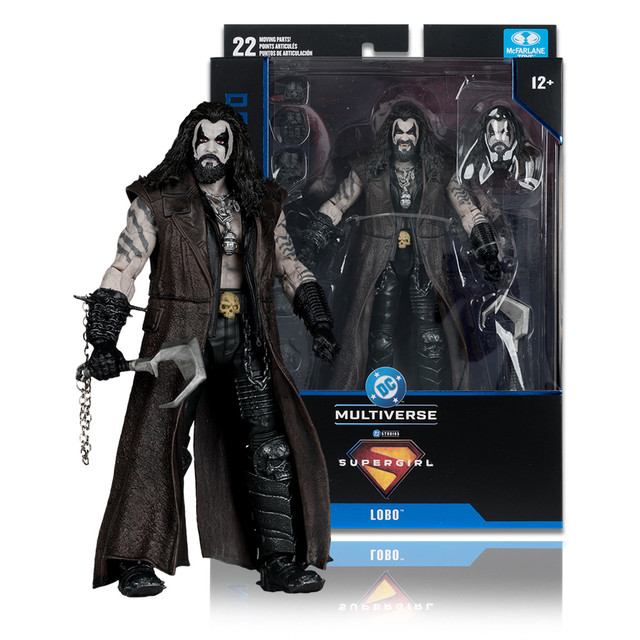
The short version
Off the sunny wall, on a stand, dusted with a brush, warm the joints before you move them, bag the accessories, flatten the box. None of it costs much and all of it beats finding a yellowed Stormtrooper bowed at the knees in August.
Frequently asked questions
Why did my figure turn yellow?
Ultraviolet light. Sunlight yellows white and clear plastic and fades paint, and it does not reverse. Keep displays off walls that get sun and use UV-filtering acrylic on cabinets.
How do I dust figures without damaging the paint?
A soft brush or a bulb blower, and for stubborn dust a barely damp cloth. A dry cloth drags grit across matte paint and polishes it shiny.
How do I free a stuck joint?
Warm it first: a hairdryer on low for a few seconds or a bowl of warm water. A forced cold joint snaps a peg.
Should I keep the box?
If you can store it flat and out of light, yes. Open along the glued seam, flatten it and keep it in a sleeve behind the display. A crushed box is worth nothing.