Disney pins are the collectible you can wear, trade with a stranger in a queue, and buy for less than lunch, and they are also a market with limited editions, counterfeits and a vocabulary. The hobby runs on two tracks, trading and collecting, and it helps to know which you are on.
What a pin costs
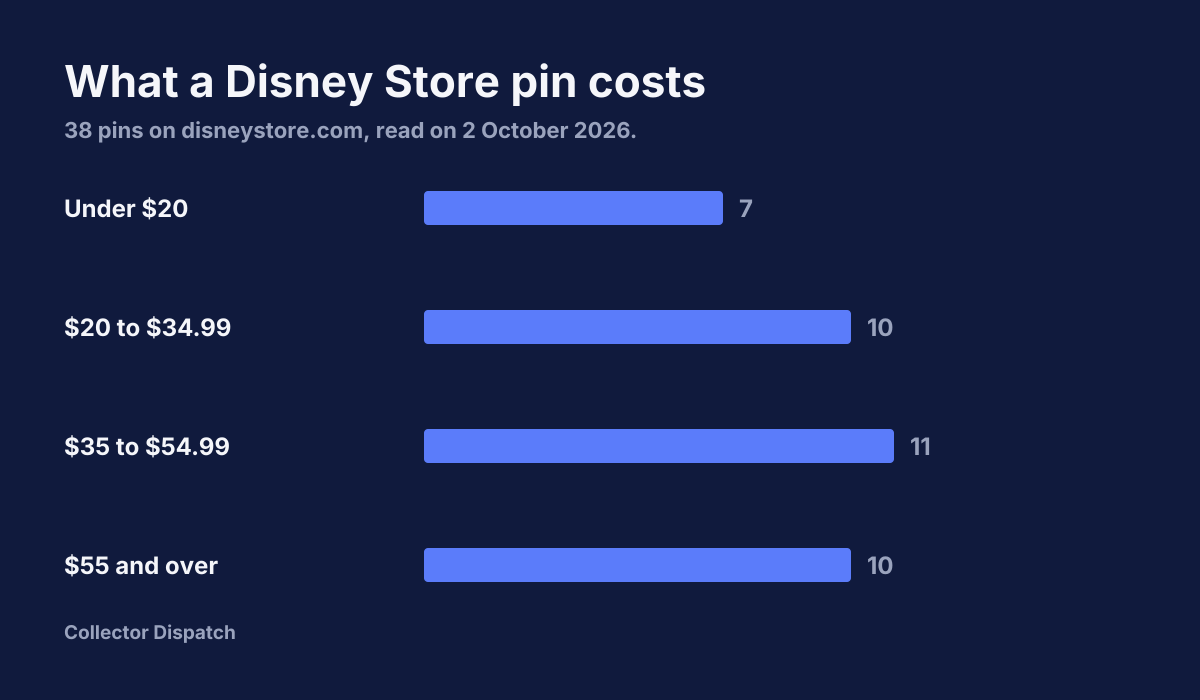
On 2 October 2026, the Disney Store’s pin category listed 38 items from $14.99 to $150.00, with a median of $44.99. 6 were marked as limited editions. That range is the hobby in miniature: a few dollars for an open-edition pin, and multiples of that for a limited one or a boxed set.
The editions
| Marked as | What it means | What to expect |
|---|---|---|
| Open edition | Made for as long as it sells | Cheap, plentiful, the trading stock of the hobby |
| Limited release | Sold for a window, quantity unstated | Scarce later, but nobody will say how scarce |
| Limited edition | A stated run, printed on the back | The collectible tier; 6 of 38 listings |
| Mystery or blind pack | A sealed pack from a set of designs | A way to get duplicates to trade, and a chase per set |
| Cast member or event exclusive | Not sold to the public, or only at an event | The most traded and the most faked |
Read the back
The back of a genuine pin carries the Disney copyright, the edition information, and a pattern of small Mickey heads in the metal. The pin post should be centred and the rubber Mickey back fits snugly. Counterfeits, called scrappers because many began as factory rejects, usually have a slightly wrong colour, a rough edge, dips in the enamel, or a back that is too smooth. Learn the back of a pin you know is genuine before you trade for one you do not.
Trading in the parks
Cast members wearing a lanyard will trade any pin on it for any genuine Disney pin you offer, up to two a day per cast member, with no haggling and no refusal. That is the entry point for most collectors and it is the most pleasant rule in collecting. Guests trade with each other on their own terms, and the lanyard rule does not apply, so check the back.
Storage and display
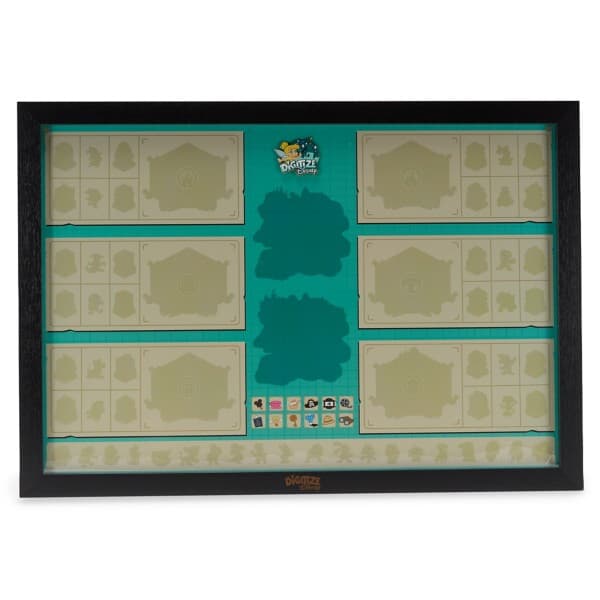
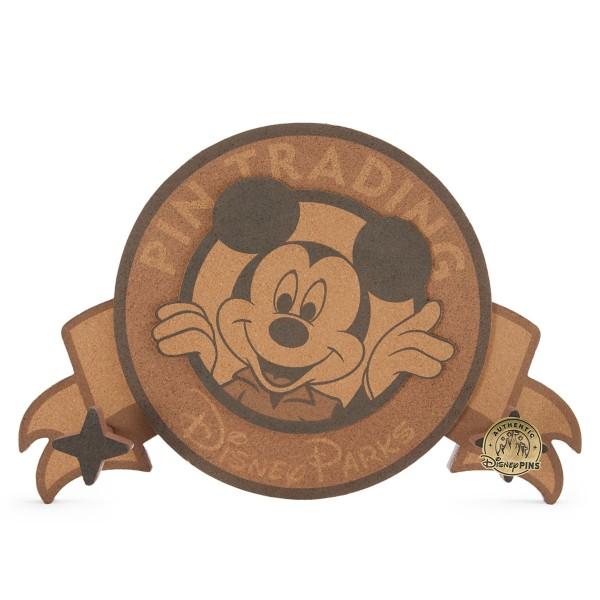
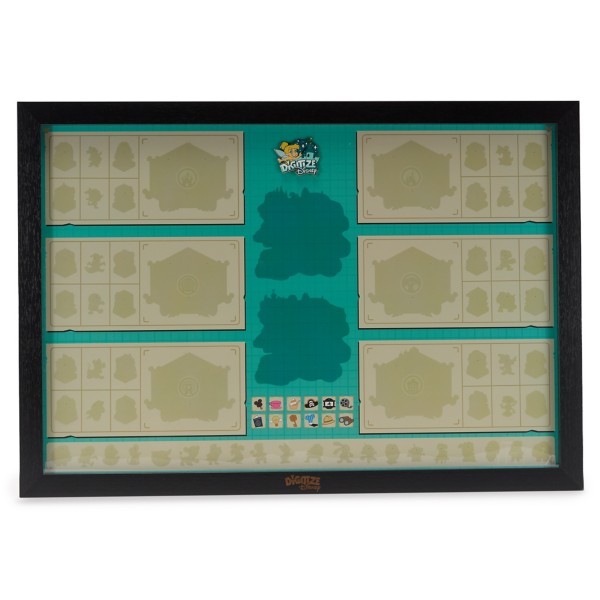
Pins scratch each other. A pin binder with padded pages, or a corkboard behind glass, keeps them apart; a bag of pins is a bag of scratched pins. Keep the locking backs, which replace the rubber ones for anything you wear, and keep the original card for a limited edition, because the card carries the edition number too and is part of what a later buyer pays for.
Where to buy
The Disney Store and the parks for new releases at list price, $44.99 being the middle of the current range. Pin trading events for anything retired, from people who can be looked in the eye. Marketplaces with the back photographed, the edition number visible, and the seller’s other listings checked for a pattern of too-perfect rarities.
A way to start
Buy a starter set of open-edition pins, trade them off a lanyard until you have a handful you actually like, and only then buy a limited edition of something you care about, new, with its card. Collecting every pin of a character is a project with an end. Collecting every pin is a warehouse.
Frequently asked questions
What is a scrapper pin?
A counterfeit or factory-reject pin. Tells are slightly wrong colours, rough edges, dips in the enamel and a back that is too smooth or missing the Mickey-head pattern.
How does pin trading with cast members work?
A cast member wearing a lanyard trades any pin on it for any genuine Disney pin you offer, up to two a day per cast member, without refusal or haggling.
What is the difference between limited release and limited edition?
A limited edition has a stated run printed on the back. A limited release was sold for a window with no quantity given.
How should I store pins?
Apart from each other: a padded pin binder or a corkboard behind glass. Keep locking backs for pins you wear and the original card for a limited edition.