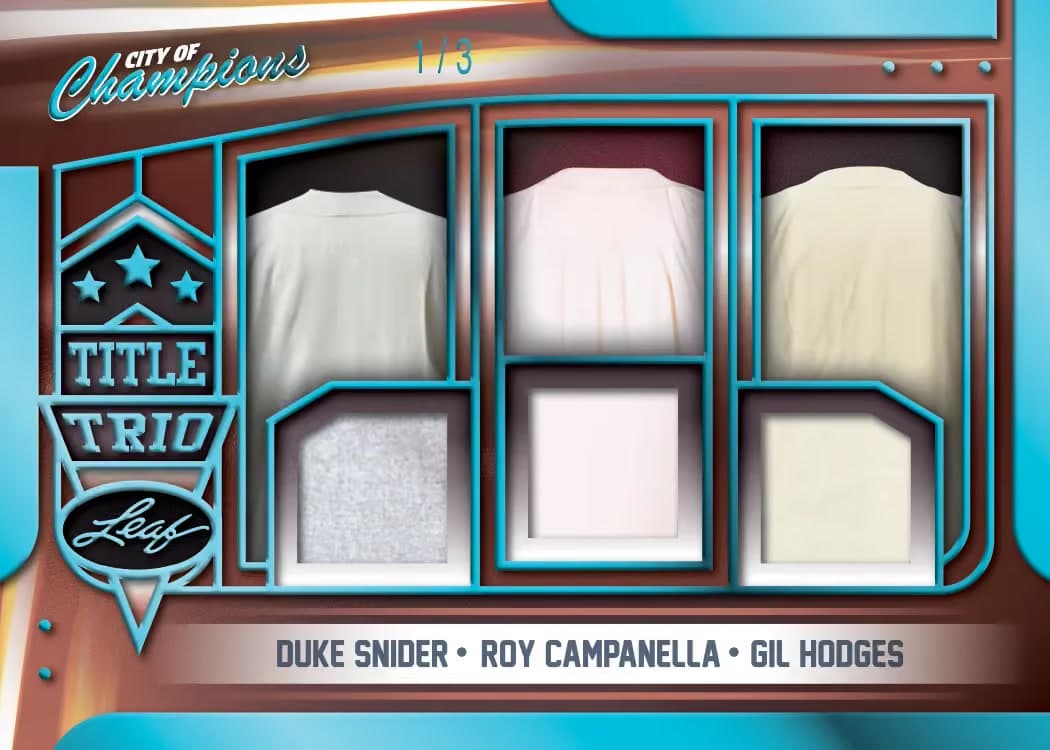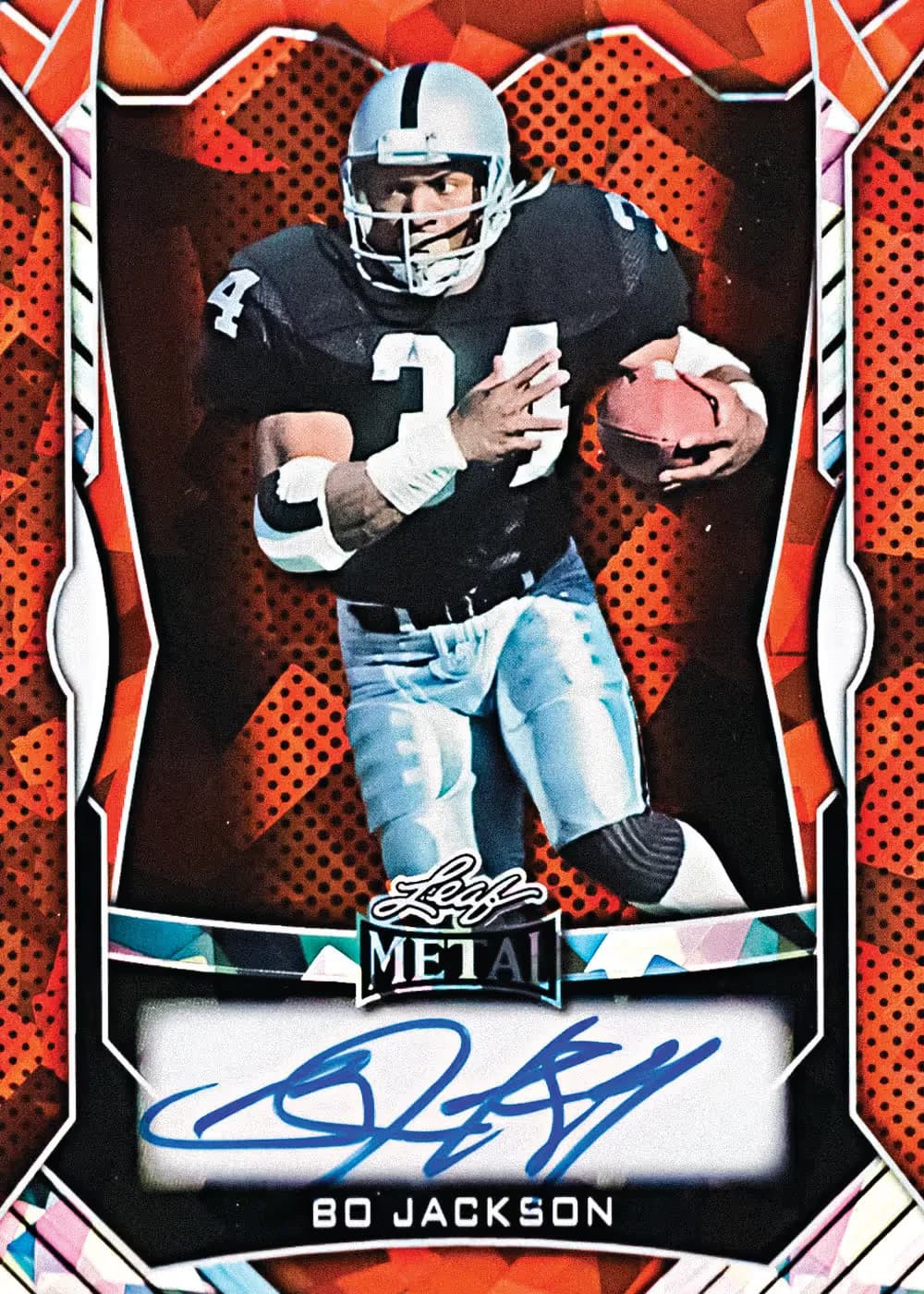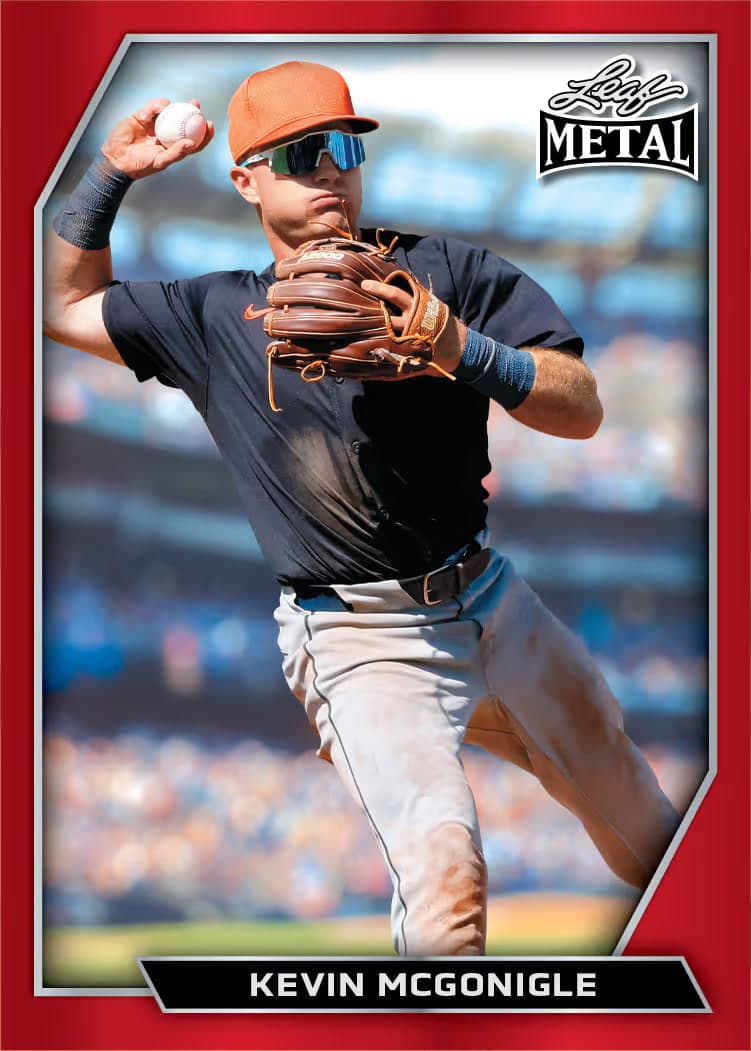
Of the 128,589 serial numbered cards in our checklist database, 109,315 are numbered to one. That is 85 per cent of every numbered card we have catalogued, which makes the 1-of-1 the most common kind of numbered card in modern sets rather than the rarest thing in the box.
The number has not stopped meaning what it says. A card stamped 1/1 is still the only copy of that card. What has changed is how many different cards a single player now has, and how many of those are made once.
Why are there so many 1-of-1 cards?
Because a parallel is a separate card, and the rarest tier of a parallel run is usually made once. A set takes one photograph of one player and issues it in a series of finishes. Each finish is its own entry on the checklist, each has its own print run, and the top few finishes are made in ones.
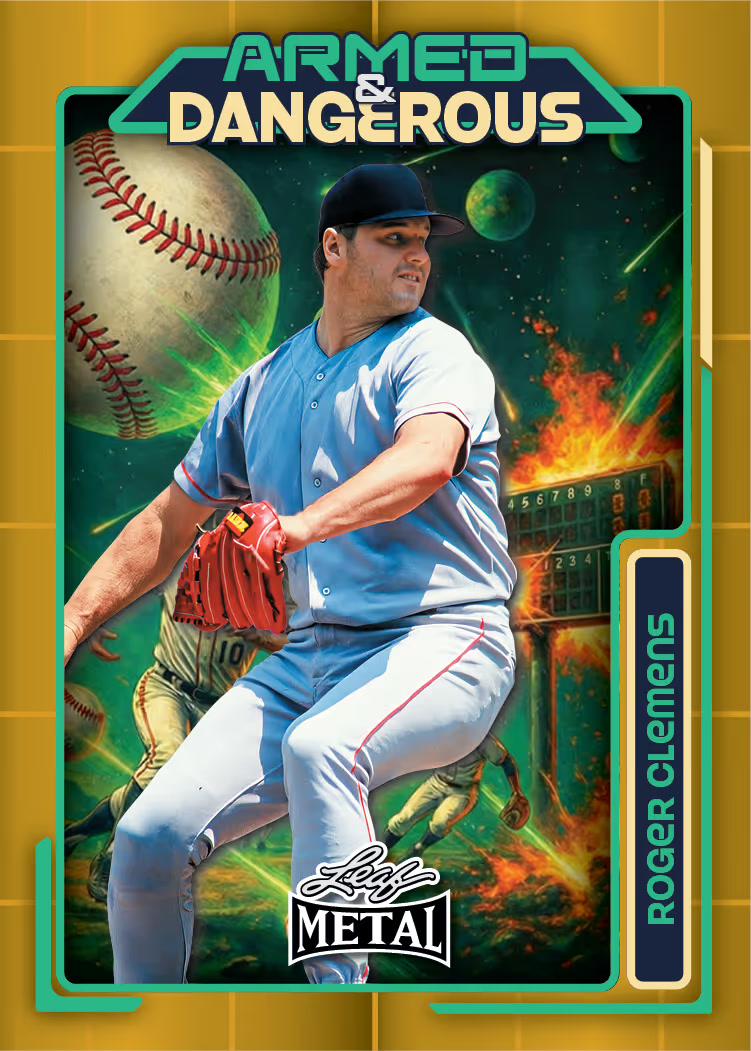
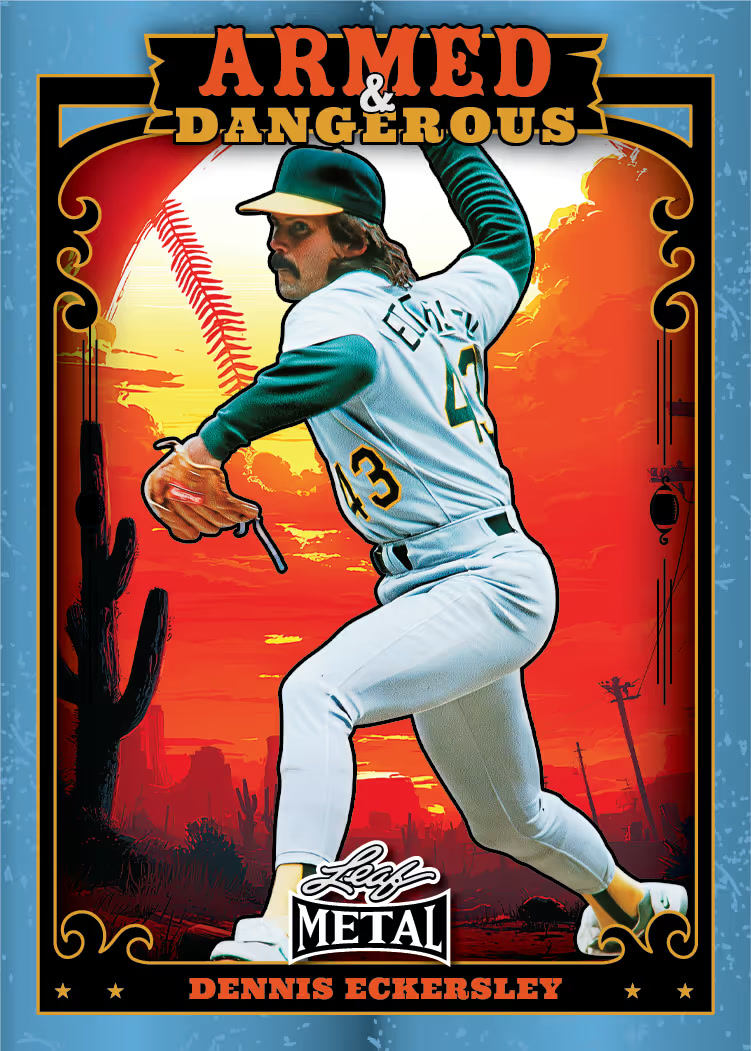
2026 Leaf Metal Baseball shows the arithmetic plainly. The checklist runs to 15,896 cards and 15,018 of them are numbered to one, which is 94 per cent of the set. The finishes doing that work are named on the checklist: Crystal, Prismatic, Super Prismatic Gold, Shimmer and Red Flood, among others. A single player in that set can hold ten separate 1-of-1 cards, one for each finish his photograph was issued in.
Does that make a 1-of-1 less rare?
No, and that is the part worth being careful about. Each of those cards is genuinely unique. What is no longer unique is the category. Saying a card is a 1-of-1 used to narrow it to a handful of cards in a product; now it narrows it to 109,315 cards across the sets we track, and the useful question is which 1-of-1 it is.
What should a collector look at instead?
The finish name and the position of that finish in the set's own hierarchy. A checklist that lists Crystal, Prismatic and Super Prismatic Gold is telling you the order it considers them in, and the card number is the same across all of them. Two cards can both read 1/1 and sit at opposite ends of what the manufacturer treats as the top of the set.
The other thing to read is what else is scarce. Our database holds 21,696 autographed entries and 1,212 marked as short prints. Scarcity in a modern set is not a single axis, and the serial number is only one of them.
How do we count this?
Every figure above comes from the checklists we have parsed from manufacturers' own published sheets, counted at the time this article was written. It covers the sets in our database and not the hobby as a whole. Where a manufacturer has not published a print run, the card is not counted as numbered at all, so the real totals across all products are higher than the ones here.