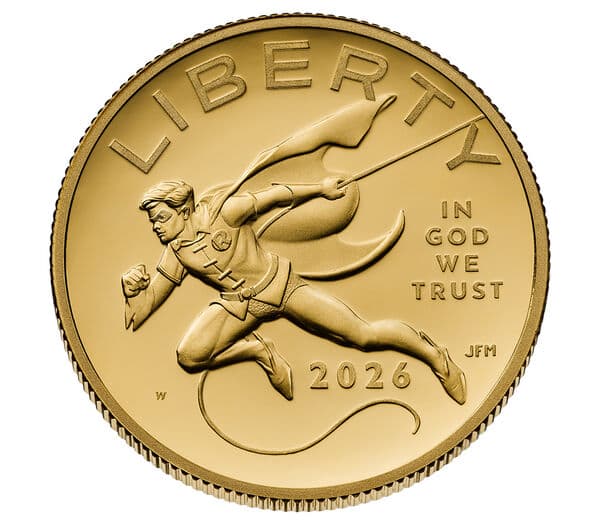
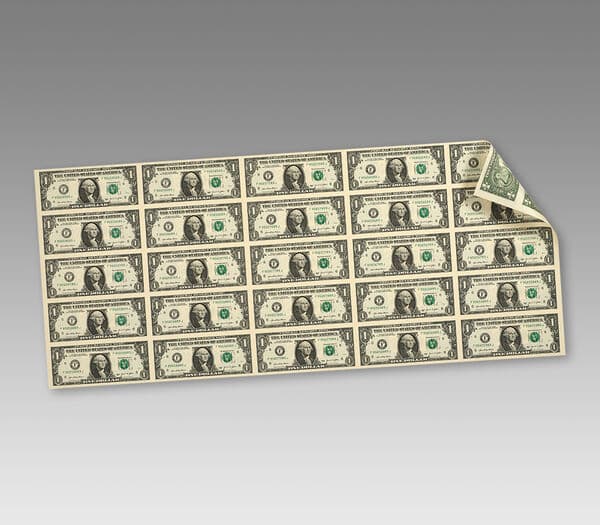
The Semiquincentennial Coins And Medals line runs to 13 separate products, released between 5 February and 13 November. Every one of them carries a stated product limit. This is the whole line in one place, which is how a set gets collected rather than stumbled into one release day at a time.
The full line, in release order
When to be ready
Releases in this line are spread across 7 months, so completing it means showing up more than once. Sales open at noon Eastern on the listed day.
- February 2026: Semiquincentennial Quarters 2026 Rolls and Bags - Mayflower Compact
- March 2026: Semiquincentennial Quarters 2026 Rolls and Bags - Revolutionary War
- April 2026: Semiquincentennial Dime 2026 Rolls and Bags - Emerging Liberty
- June 2026: Best of the Mint 1916 Mercury Dime Gold Coin and Silver Medal Set; Semiquincentennial Quarters 2026 Rolls and Bags - Declaration of Independence
- July 2026: Best of the Mint 1916 Standing Liberty Quarter Dollar Gold Coin and Silver Medal Set; Freedom Ringing – Liberty Bell One Ounce Gold Coin; Freedom Ringing – Liberty Bell One-Half Ounce Gold Coin; Freedom Ringing – Liberty Bell One-Half Ounce Silver Medal
- August 2026: Best of the Mint 1916 Walking Liberty Half Dollar Gold Coin and Silver Medal Set; Semiquincentennial Quarters 2026 Rolls and Bags - U.S. Constitution; Best of the Mint 1804 Silver Dollar Gold Coin and Silver Medal Set
- November 2026: Semiquincentennial Quarters 2026 Rolls and Bags - Gettysburg Address
Which ones are limited
The Mint flags a product as limited when it has set a product limit, meaning a stated maximum it will make. A limit is not a mintage figure: the Mint often sells fewer than the limit allows, and the number that eventually sold is what the secondary market prices against. Treat a limit as a ceiling rather than a count.
- Semiquincentennial Quarters 2026 Rolls and Bags - Mayflower Compact (26SQBA, 26SQBB, 26SQRA)
- Semiquincentennial Quarters 2026 Rolls and Bags - Revolutionary War (26SQBC, 26SQBD, 26SQRC)
- Semiquincentennial Dime 2026 Rolls and Bags - Emerging Liberty (26SDB, 26SDR)
- Best of the Mint 1916 Mercury Dime Gold Coin and Silver Medal Set (26BM1)
- Semiquincentennial Quarters 2026 Rolls and Bags - Declaration of Independence (26SQBE, 26SQBF, 26SQRE)
- Best of the Mint 1916 Standing Liberty Quarter Dollar Gold Coin and Silver Medal Set (26BM2)
- Freedom Ringing – Liberty Bell One Ounce Gold Coin (26LB)
- Freedom Ringing – Liberty Bell One-Half Ounce Gold Coin (26LC)
- Freedom Ringing – Liberty Bell One-Half Ounce Silver Medal (26LD)
- Best of the Mint 1916 Walking Liberty Half Dollar Gold Coin and Silver Medal Set (26BM3)
- Semiquincentennial Quarters 2026 Rolls and Bags - U.S. Constitution (26SQBG, 26SQBH, 26SQRG)
- Best of the Mint 1804 Silver Dollar Gold Coin and Silver Medal Set (26BM4)
- Semiquincentennial Quarters 2026 Rolls and Bags - Gettysburg Address (26SQBJ, 26SQBK, 26SQRJ)
Mint marks in this line
A mint mark is the single letter on a coin saying which facility struck it: P for Philadelphia, D for Denver, S for San Francisco, W for West Point. Two coins with the same design and different marks are different collectables, and the Mint publishes the mark before a product goes on sale.
Where this list comes from
Read from the Mint's own 2026 product schedule. Dates and limits are as the Mint published them and can be revised; the product pages linked above carry the current state. Mint designs and product photographs are United States Government works and are not under copyright.
Frequently asked questions
How many products are in the Semiquincentennial Coins And Medals line?
13, released between 5 February and 13 November.
When does the first Semiquincentennial Coins And Medals product go on sale?
Semiquincentennial Quarters 2026 Rolls and Bags - Mayflower Compact opens on 5 February.
Are Semiquincentennial Coins And Medals products limited?
All 13 carry a stated product limit. The Mint flags a product as limited when it has set a product limit, meaning a stated maximum it will make. A limit is not a mintage figure: the Mint often sells fewer than the limit allows, and the number that eventually sold is what the secondary market prices against. Treat a limit as a ceiling rather than a count.