Magic has been printed continuously since 1993, has tens of thousands of distinct cards, and runs two hobbies at once: a game people play and a set of objects people collect. You can do either without the other. Most beginners’ mistakes come from not deciding which they are doing.
Four rarities, and what they mean for a collector
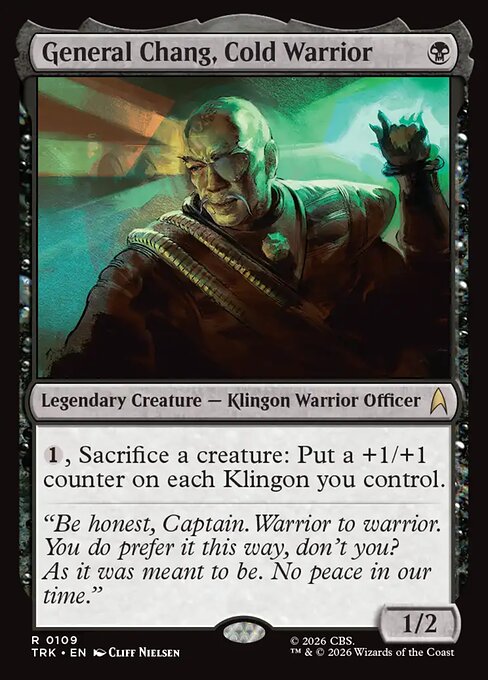
Every Magic card is common, uncommon, rare or mythic rare, marked by the colour of the set symbol: black, silver, gold, orange-red. Unlike Pokémon, the tiers have not multiplied. Magic: The Gathering: Lorwyn Eclipsed has 408 cards in its main list; Magic: The Gathering: Star Trek, a smaller licensed set, has 135, of which 42 are rare and 14 mythic.
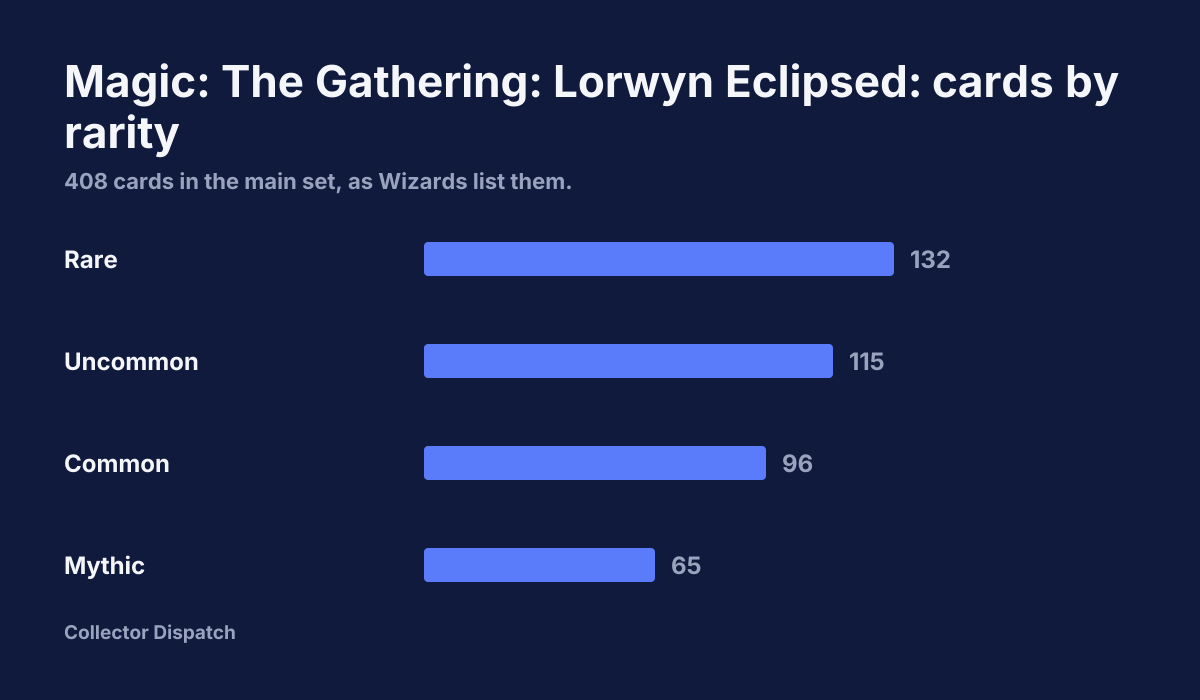
What has multiplied is treatments. The same card can exist as a plain printing, a foil, an extended-art, a borderless, a showcase frame, a serialised numbered version and more, each with its own price. A collector decides which treatment they are collecting, because collecting all of them is not a plan.
Boosters, and which kind to open
Play Boosters are the standard pack, built for the game and the cheapest way to open cards. Collector Boosters cost several times as much, contain only the special treatments, and are where the expensive versions come from. If you are collecting treatments, Collector Boosters are the relevant pack. If you are collecting the set, singles are cheaper than either, which is true of every card game and truer of Magic than most.
Secret Lair
Wizards sells small themed drops directly, printed to order for a window and then never again. The cards are reprints with new art. Because the quantity is set by orders rather than by a fixed print run, the scarcity is real but unstated, and the secondary price depends on how many people ordered. Buy a drop because you want the art. Treat it as an investment and you are guessing at a number Wizards knows and you do not.
| Set | Cards listed | Mythics | Rares |
|---|---|---|---|
| Magic: The Gathering: Star Trek | 135 | 14 | 42 |
| Magic: The Gathering: Lorwyn Eclipsed | 408 | 65 | 132 |
Where the information is
Magic is unusually well documented. Every card ever printed is in Scryfall, a free database with images, printings and rulings, and our own Magic checklists, 9 sets so far, are built from the same data. Prices are visible on TCGplayer and Cardmarket by printing and treatment. There is no mystery about what exists, which makes the set a good one to learn collecting on: the whole catalogue is a search away.
The Reserved List, in one paragraph
A list of early cards Wizards has promised never to reprint. It is why a handful of 1990s cards cost what a car costs, and it is irrelevant to anyone starting now except as an explanation of those prices. Nothing printed today is on it, and nothing will be added.
Condition and sleeves
Magic cards are played with, shuffled, and sleeved as a matter of course, so condition grading is familiar to every seller and near-mint is the standard listing. A card you are keeping goes in a penny sleeve and a toploader, as any card does. A card you are playing goes in a sleeve that matches its deck, and comes out of it a little less than near-mint every year.
A way to start
Pick one set that is current and one thing in it: the mythics, the borderless art, one colour, one character. Buy the singles from a shop or a marketplace. Open a Play Booster now and then because opening one is fun, not because it is the route to the card. In a few months you will know whether you are a player who collects or a collector who plays, and that is the moment to buy a Collector Booster if you still want one.
Frequently asked questions
Should I open Play Boosters or Collector Boosters?
Play Boosters to open cards cheaply; Collector Boosters only if the special treatments are what you collect. For a specific card, singles beat both.
Are Secret Lair drops a good investment?
They are printed to order for a window, so scarcity is real but unstated. Buy one for the art. The resale price depends on a quantity Wizards knows and you do not.
Where can I look up a Magic card?
Scryfall lists every card ever printed with images and printings. Our Magic checklists, 9 sets so far, are built from the same data.
What is the Reserved List?
A set of early cards Wizards has promised never to reprint. It explains the price of a few 1990s cards and has no bearing on anything printed today.