An odds sheet is the only document in the hobby that comes straight from the people who made the product. It is also the one most often read wrong. We hold 80,592 stated ratios across 313 published sets, and the same handful of misreadings come up every time.
Here is how to read one, in the order the questions actually arise.
Step one: find the configuration
Before any ratio means anything, find out which product it describes. Hobby, retail, blaster, jumbo and others are different boxes with different pack counts and different insertion rates. A sheet gives a separate line for each, and a ratio quoted without its configuration is missing the half that makes it useful.
This is the single most common error. A number seen on social media attached to a hobby box does not describe the blaster on the shelf in front of you.
Step two: read the ratio as a production fact
1:100 means one of that card for every hundred packs of that configuration produced. It is a statement about the whole print run. It is not a statement about your box, your case, or the hundred packs you are about to open.
The practical consequence is that odds do not accumulate in your favour. Opening ninety nine packs without the card does not improve the hundredth. Each pack was filled before you saw it, and the ratio describes the filling.
Step three: treat a dash as an absence
Where a sheet prints a dash rather than a ratio, the manufacturer has published no number for that line. It does not mean the odds are long. It means they are unstated. We record no number rather than estimating one, which is why we hold fewer ratios than there are lines on the sheets.
Step four: separate odds from quantity
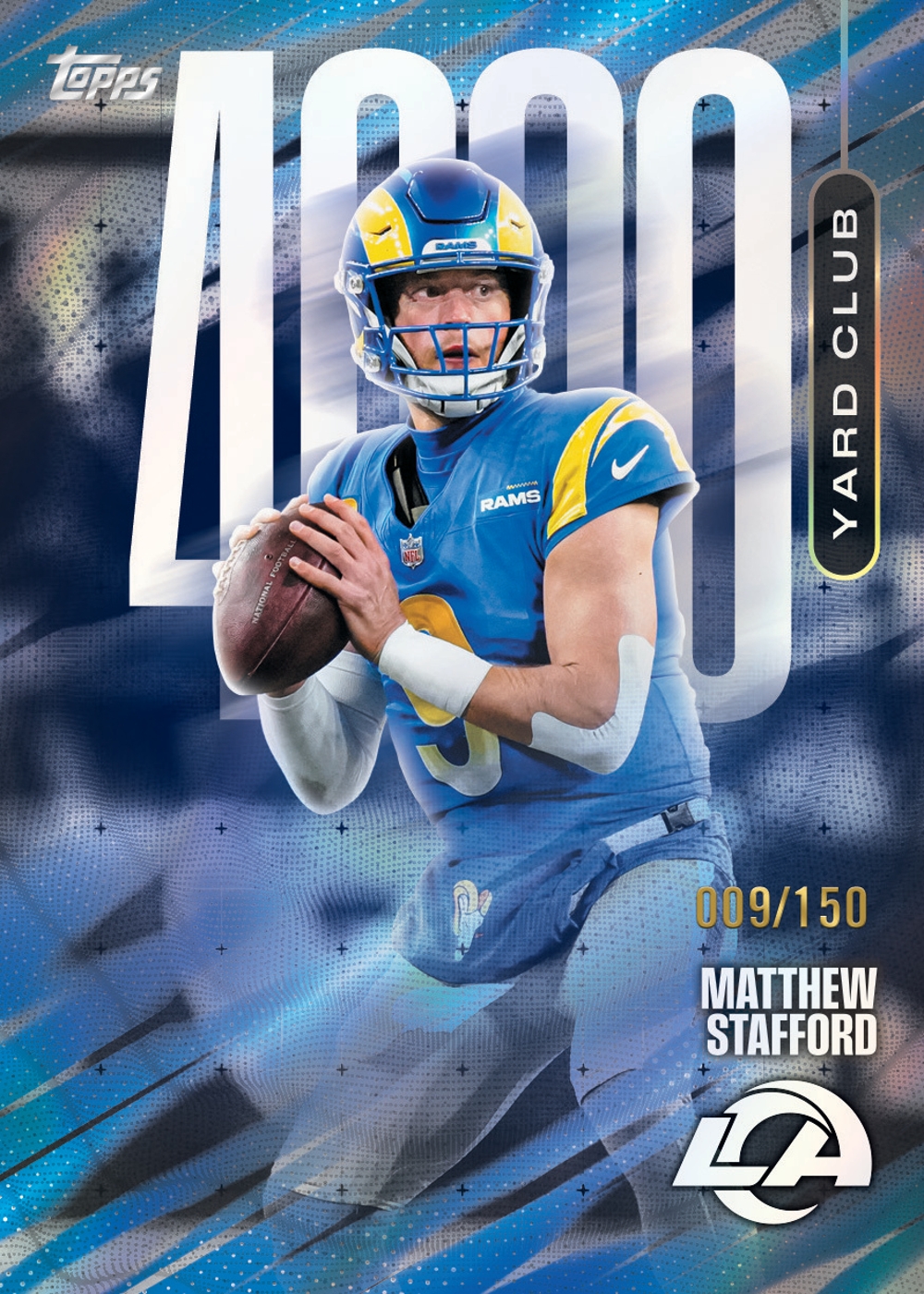
A ratio tells you how often a card was inserted. A serial number tells you how many exist. These are different facts and only one of them is a quantity.
128,589 of the 426,765 cards we track carry a stated print run. For everything else, the odds line is the only thing the manufacturer has said, and it describes frequency rather than population.
Step five: notice what the sheet cannot know
An odds sheet describes the moment of manufacture. It says nothing about what has been opened since, what was graded, what was lost, or what is sitting unopened in a warehouse. It is a fact about a print run and not about a market.
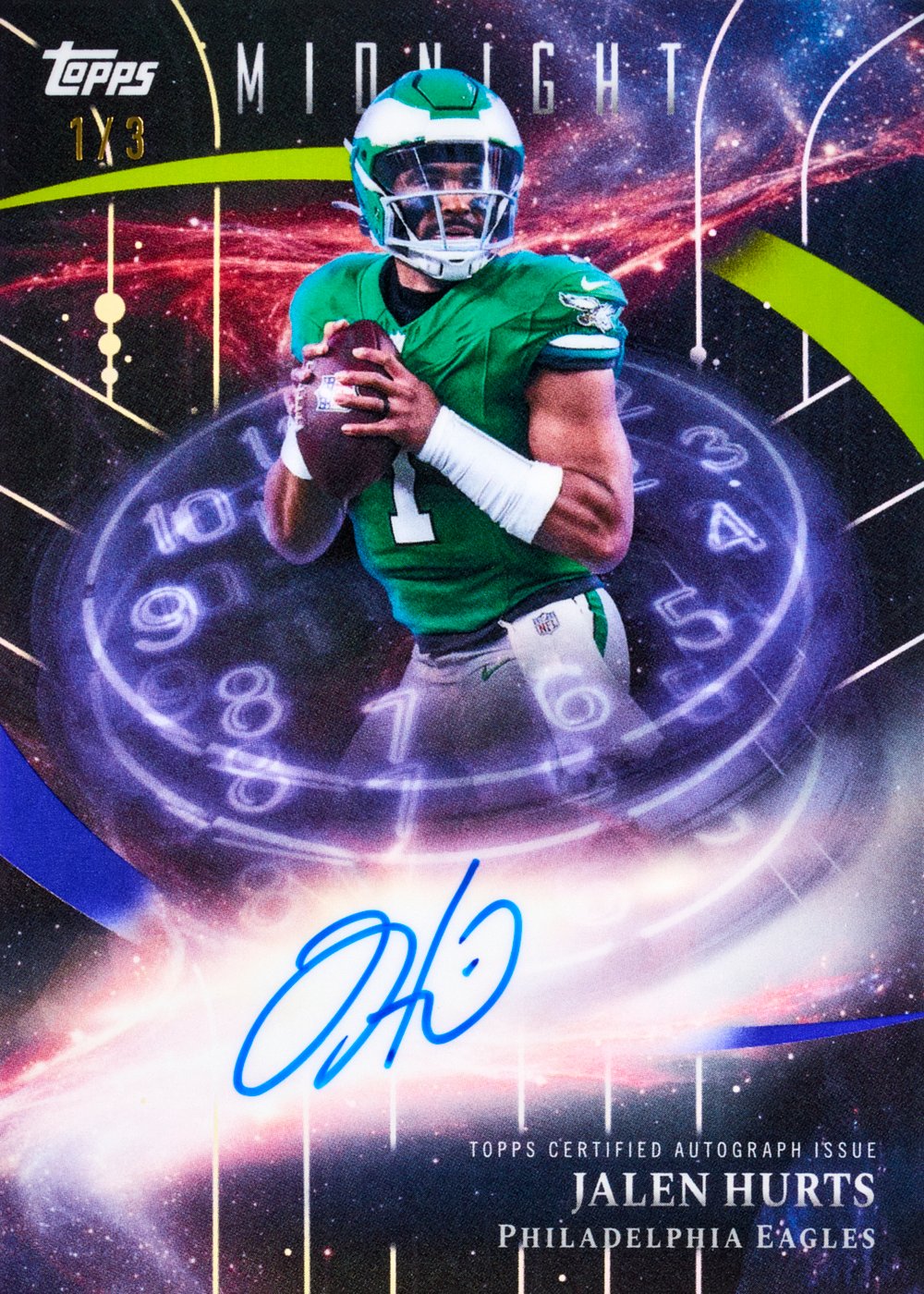
A worked example
Take a card listed at 1 in 4,572 in one configuration and 1 in 100 in another. Both lines are true. The first describes a product where that card was inserted sparingly; the second a product where it was not. If that card is the reason you are buying, the second configuration is the one to buy, and the difference between the two numbers is the entire answer.
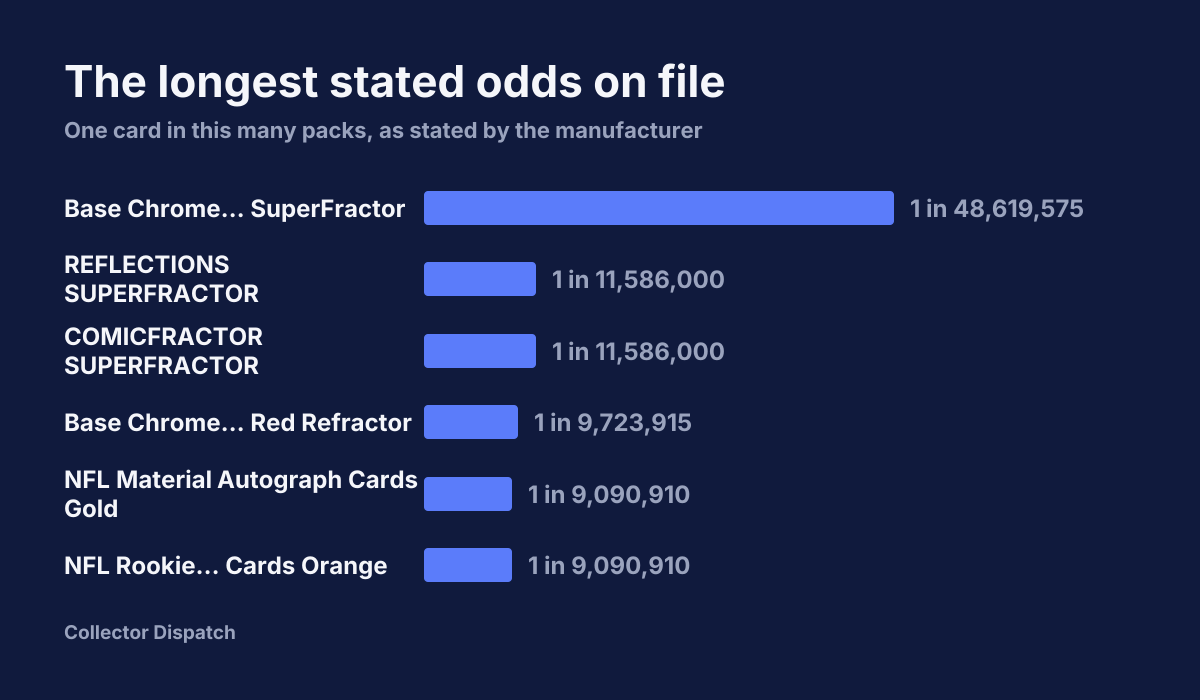
This is why, when we list a card at its shortest stated odds, we say which configuration that was. The shortest ratio is the useful one, and it is useless without its label.
What to take away
A ratio is per configuration, describes production rather than your box, and is not a quantity. A dash is silence, not a long shot. And nothing on the sheet knows what happened after the pallet left.
Frequently asked questions
What does 1:100 odds mean on a card?
One of that card for every hundred packs of that configuration produced. It is not one per hundred packs you open.
Why do hobby and retail boxes have different odds?
They are different products with different pack counts and insertion rates, so the sheet states a separate ratio for each.
Does a dash on an odds sheet mean long odds?
No. It means no ratio was published for that line. We record no number rather than estimating one.